For generations, Swiss Made Watches have represented the highest benchmark in the world of horology. The phrase “Swiss Made” instantly conveys precision, reliability, and prestige—qualities that few industries have managed to protect and uphold so consistently. But what truly makes Swiss watches the gold standard in watchmaking? The answer lies in a powerful combination of heritage, regulation, craftsmanship, and innovation.
Centuries of Watchmaking Heritage
Switzerland’s watchmaking legacy dates back to the 16th century, when skilled artisans refined the art of mechanical timekeeping. Over time, this expertise evolved into a national industry built on precision and discipline. The knowledge passed down through generations has shaped the identity of Swiss Made Watches, creating a culture where perfection is not optional—it is expected.
This long-standing tradition allows Swiss watchmakers to blend classical techniques with modern engineering, ensuring that each timepiece honors history while meeting contemporary standards.
Strict “Swiss Made” Regulations
One of the key reasons Swiss Made Watches command global trust is the strict legal framework behind the label. To be marked “Swiss Made,” a watch must meet defined criteria related to movement origin, assembly, inspection, and value contribution within Switzerland. These regulations protect consumers from misleading claims and ensure consistent quality across the industry.
Unlike loosely regulated labels in other markets, “Swiss Made” is a controlled designation that guarantees authenticity, technical oversight, and accountability.
Unmatched Mechanical Precision
Swiss watches are renowned for their mechanical excellence. Whether automatic or manual, Swiss movements are engineered for accuracy, durability, and long-term performance. Tight manufacturing tolerances, high-grade materials, and extensive testing result in movements that can operate reliably for decades with proper servicing.
Leading manufacturers such as Rolex and Omega have set global standards for chronometric precision, while brands like Patek Philippe focus on complex complications and refined finishing that push the limits of mechanical watchmaking.
Superior Craftsmanship and Finishing
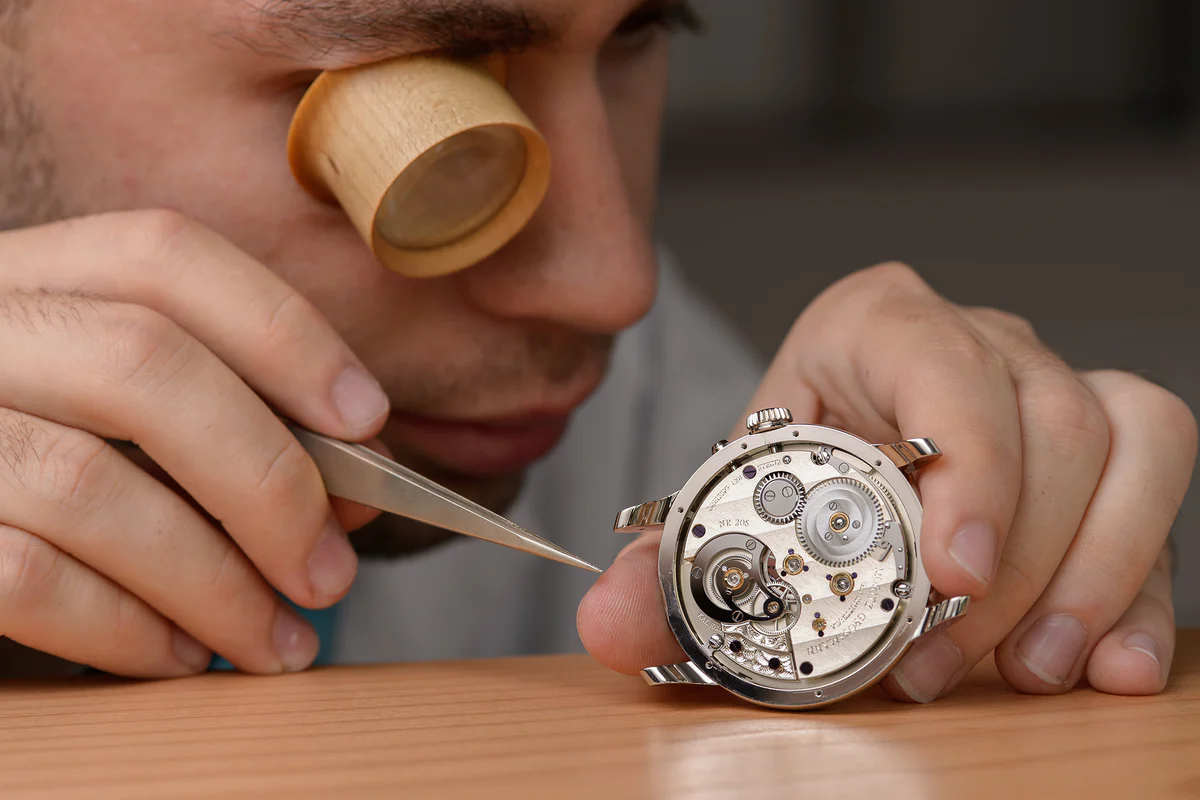
What truly separates Swiss Made Watches from mass-produced timepieces is the attention to detail. Components are often hand-finished, polished, engraved, and assembled by skilled watchmakers. Even parts unseen by the wearer—such as bridges and gears—receive meticulous finishing.
This level of craftsmanship is not just aesthetic; it enhances reliability, reduces wear, and reflects a philosophy where every detail matters.
Continuous Innovation and Technology
While deeply rooted in tradition, Swiss watchmaking is also forward-looking. Swiss brands lead advancements in anti-magnetic movements, power reserve efficiency, shock resistance, and material innovation. Silicon components, ceramic cases, and advanced escapements demonstrate how Swiss Made Watches continue to evolve without compromising their identity.
Long-Term Value and Prestige
Beyond performance, Swiss watches hold exceptional long-term value. Many models maintain or even increase their worth over time, especially from established maisons. More importantly, Swiss watches are designed to last generations, often becoming heirlooms that carry emotional as well as monetary value.
Swiss Made Watches are considered the gold standard because they represent the perfect balance of heritage, regulation, craftsmanship, and innovation. They are not just tools for telling time—they are expressions of human skill, engineering excellence, and timeless design. Choosing a Swiss-made watch means investing in a legacy of precision that few industries in the world can rival.