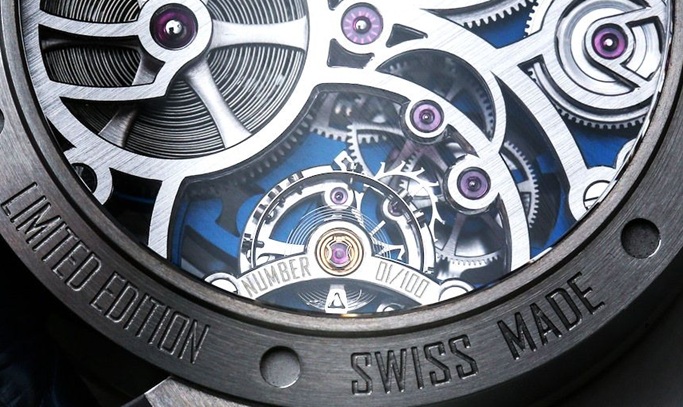
The Global Fascination with Swiss Watches
For centuries, Swiss watches have been regarded as the gold standard of horology. But how do they compare to timepieces from Japan, Germany, the U.S., or China? The differences lie in quality standards, precision engineering, design excellence, and heritage.
The Prestige of “Swiss Made”
“Swiss Made” is more than a label—it is a guarantee of craftsmanship, reliability, and authenticity. A Swiss watch carries with it over 400 years of tradition, making it a global symbol of luxury and precision.
The Worldwide Watchmaking Landscape
Other nations also produce notable watches:
-
Japan – Known for affordability, innovation, and quartz accuracy.
-
Germany – Famous for engineering excellence and Bauhaus-inspired design.
-
USA – Historically significant, now resurging with boutique brands.
-
China – Mass-market production, affordable but less prestigious.
Defining “Swiss Made”: Standards and Regulations
Legal Criteria for Swiss Made
For a watch to legally display “Swiss Made,” it must:
-
Have a Swiss movement.
-
Be assembled and inspected in Switzerland.
-
At least 60% of manufacturing costs must occur in Switzerland.
What Makes It Different from Other Countries
Unlike most nations, Switzerland enforces strict regulations. This ensures consistent quality control, something not always guaranteed elsewhere.
Swiss Made vs. Japanese Watches
Movement Accuracy: Quartz vs. Mechanical
Japan, led by Seiko and Citizen, revolutionized the industry with quartz technology—affordable and extremely accurate. Switzerland, however, dominates luxury mechanical and automatic movements, which are valued for craftsmanship rather than just accuracy.
Craftsmanship and Finishing
Japanese watches emphasize functionality, while Swiss watches elevate movements into art forms with polished, engraved, and hand-decorated details.
Pricing and Value Proposition
-
Japanese watches: Affordable, durable, great value.
-
Swiss watches: Expensive, prestigious, long-term investments.
Example Brands
-
Seiko Grand Seiko vs. Rolex – Seiko offers incredible accuracy; Rolex emphasizes luxury and heritage.
-
Citizen vs. Omega – Citizen Eco-Drive focuses on innovation; Omega blends history with cutting-edge technology.
Swiss Made vs. German Watches
Engineering Precision vs. Artistic Craftsmanship
German brands like A. Lange & Söhne focus on technical excellence with intricate movements. Swiss watches, however, balance engineering with artistic design.
Design Philosophies: Bauhaus vs. Swiss Luxury
-
German design: Minimalist, Bauhaus-inspired.
-
Swiss design: Luxurious, elegant, and diverse.
Notable Brands
-
A. Lange & Söhne vs. Patek Philippe – Both produce haute horlogerie, but Swiss watches generally have broader global recognition.
Swiss Made vs. American Watches
The Rise and Fall of U.S. Watchmaking
The U.S. once led the world with brands like Hamilton and Waltham. However, Swiss dominance after WWII diminished America’s presence.
Heritage Differences
American watches emphasized industrial efficiency, while Swiss watches focused on luxury and handcrafting.
Modern U.S. Brands vs. Swiss Giants
Microbrands like Shinola have revived American watchmaking, but they cannot compete with Swiss heritage brands like Rolex or Omega.
Swiss Made vs. Chinese Watches
Mass Production vs. Artisanal Craftsmanship
China is the world’s largest watch producer by volume, but most are mass-produced with little hand-finishing.
Price and Accessibility
Chinese watches are very affordable, often costing less than $100, while Swiss watches range from hundreds to hundreds of thousands.
Authentic Luxury vs. Affordable Alternatives
Swiss watches represent true luxury and legacy, while Chinese watches mainly serve the budget-friendly market.
Key Features That Set Swiss Watches Apart
Superior Movements and Innovation
From the Rolex Oyster Perpetual to Omega’s Co-Axial Escapement, Swiss brands consistently lead in innovation and accuracy.
Craftsmanship and Hand-Finishing
Swiss watches often feature hand-polished components, sapphire crystals, and precious metals, ensuring both beauty and durability.
Design Excellence and Heritage
Each Swiss watch tells a story—be it the heritage of Patek Philippe or the sporty elegance of TAG Heuer.
Resale Value and Collectibility
Swiss watches like Rolex Submariner and Patek Philippe Nautilus often appreciate in value, unlike most non-Swiss watches.
Why Swiss Watches Remain the Benchmark of Luxury
A Symbol of Status and Achievement
Wearing a Swiss watch is a statement of success, taste, and refinement.
Investment Potential
Unlike mass-produced watches, many Swiss models are considered alternative assets with strong resale potential.
Enduring Legacy
Swiss watches are often passed down as family heirlooms, carrying emotional as well as financial value.
Frequently Asked Questions (FAQs)
Why are Swiss watches more expensive?
Because of hand-finishing, premium materials, limited production, and heritage value.
Are Japanese watches better than Swiss?
For affordability and quartz accuracy, yes. But for luxury, craftsmanship, and prestige, Swiss watches lead.
Do Swiss watches hold value better than others?
Yes—brands like Rolex and Patek Philippe often increase in value over time.
Which country makes the most accurate watches?
Japan excels in quartz accuracy, while Switzerland dominates in luxury mechanical precision.
Are all luxury watches Swiss?
Not all, but the majority of recognized luxury watches are Swiss.
How can I be sure a watch is really Swiss Made?
Buy from authorized dealers, check the “Swiss Made” marking, and verify the serial number.
Conclusion: Swiss Made vs. Other Watches – The Clear Difference
Swiss Made watches remain the global benchmark of horology. While Japan, Germany, the U.S., and China each bring unique contributions, Switzerland’s unparalleled heritage, craftsmanship, and innovation make it the leader in luxury watchmaking.
A Swiss watch is not just about telling time—it’s about owning history, artistry, and a legacy that transcends generations.