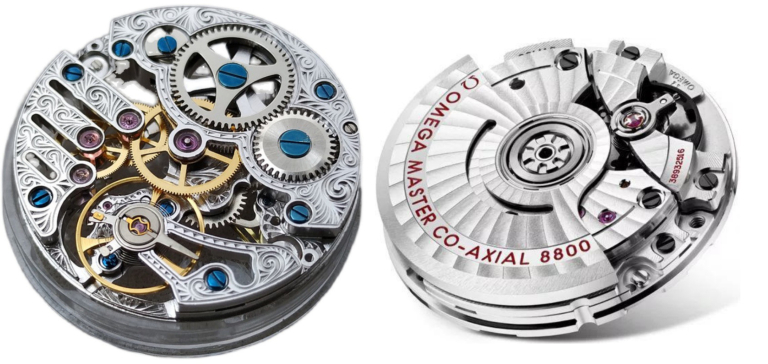
Swiss watchmaking is admired worldwide for its mechanical mastery, and at the heart of this reputation lie Swiss Mechanical Watches. Unlike battery-powered timepieces, mechanical watches are driven by intricate systems of springs, gears, and levers—crafted to measure time with remarkable precision. To truly appreciate Swiss mechanical watches, it’s essential to understand the difference between manual and automatic movements and why both remain highly valued today.
What Are Swiss Mechanical Watches?
Swiss Mechanical Watches are powered entirely by mechanical energy stored in a mainspring. This energy is released gradually through a gear train and regulated by an escapement, allowing the watch to keep accurate time. Every component is engineered and assembled with extreme precision, often finished by hand to enhance performance and longevity.
Swiss mechanical movements are celebrated not only for accuracy but also for durability. With proper care and regular servicing, they can function reliably for decades, often becoming cherished heirlooms.
Manual (Hand-Wound) Mechanical Movements
Manual mechanical watches represent the purest form of traditional watchmaking. These watches require the wearer to wind the crown regularly—typically once every 24 to 48 hours—to tighten the mainspring.
Many enthusiasts prefer manual movements because they create a direct connection between the wearer and the watch. The ritual of winding becomes part of daily life, reinforcing appreciation for the craftsmanship within. Manual movements also tend to be slimmer, making them ideal for elegant dress watches.
Swiss brands such as Patek Philippe and Vacheron Constantin are renowned for producing exquisite hand-wound mechanical watches that highlight fine finishing and classical design.
Automatic Mechanical Movements
Automatic movements are also mechanical but include an added innovation: a rotating rotor. This rotor winds the mainspring automatically using the natural motion of the wearer’s wrist. As a result, the watch remains powered as long as it is worn regularly.
Automatic movements offer greater convenience while preserving traditional mechanical craftsmanship. They are especially popular for everyday wear, combining heritage engineering with modern practicality. Today, many Swiss Mechanical Watches sold globally feature automatic movements due to their ease of use and reliability.
Brands like Rolex and Omega have perfected automatic calibers known for robustness, accuracy, and long power reserves.
Key Components of Swiss Mechanical Movements
Regardless of whether a movement is manual or automatic, several components define its performance:
-
Mainspring – Stores and releases energy
-
Gear Train – Transfers power through the movement
-
Escapement – Regulates energy flow for consistent timekeeping
-
Balance Wheel – Acts as the heartbeat of the watch
The quality and finishing of these components are what distinguish Swiss mechanical movements from mass-produced alternatives.
Choosing Between Manual and Automatic
Choosing between manual and automatic Swiss mechanical watches depends on personal preference. If you value tradition, slim design, and daily interaction, a manual movement is ideal. If convenience and everyday wearability matter more, an automatic movement offers the perfect balance.
From hand-wound classics to self-winding innovations, Swiss Mechanical Watches showcase the evolution of horological excellence. Both manual and automatic movements reflect centuries of skill, precision, and passion. Understanding these mechanisms not only helps you choose the right watch but also deepens your appreciation for the art of Swiss watchmaking—where time is measured not just in seconds, but in craftsmanship.