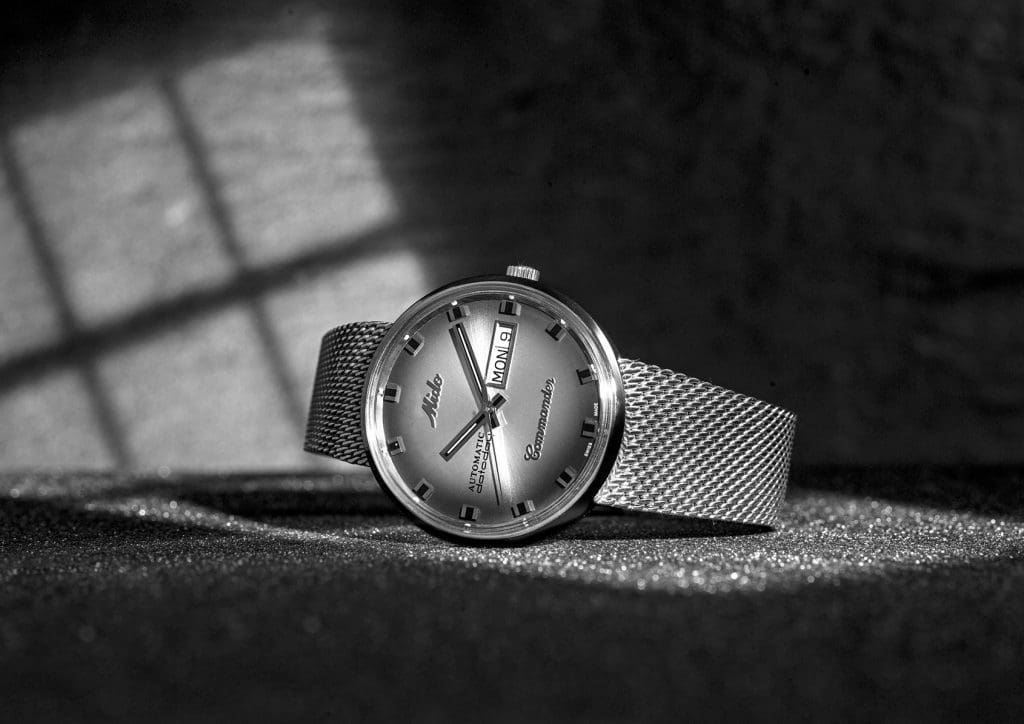
Swiss Mechanical Wristwatches
When people think of luxury, craftsmanship, and timeless design, one object often comes to mind: Swiss mechanical wristwatches. More than just a way to tell time, these watches represent centuries of innovation, artistry, and prestige. From Geneva workshops to world-famous luxury boutiques, Swiss timepieces have earned their reputation as the gold standard in horology.
But what makes a Swiss mechanical watch so special? Why do collectors and enthusiasts across the globe continue to invest in them despite the rise of smartwatches and digital technology? To answer these questions, let’s dive deep into the history, craftsmanship, and legacy of these remarkable timepieces.
What Makes a Watch “Mechanical”?
Unlike quartz watches that rely on batteries, mechanical watches use intricate gears, springs, and levers to measure time. They are powered either by manual winding or an automatic rotor that harnesses the motion of the wearer’s wrist. This mechanical complexity is part of what makes them so fascinating.
Every component is a tiny piece of engineering perfection, often hand-assembled by skilled watchmakers. This delicate balance of precision and artistry is what separates Swiss mechanical wristwatches from mass-produced timepieces.
Why Switzerland Became the Heart of Watchmaking
Switzerland’s dominance in watchmaking didn’t happen overnight. During the 16th century, Geneva became a hub for watchmakers, especially after religious reforms banned jewelry-making. Artisans redirected their skills to horology, and by the 18th century, Swiss watches were already considered superior.
Today, Switzerland produces nearly half of the world’s luxury watches, setting the standard for design, durability, and precision. From the Jura mountains to Geneva’s historic workshops, Swiss watchmaking remains a blend of heritage and innovation.
The History of Swiss Mechanical Wristwatches
Early Innovations in Swiss Horology
The roots of Swiss watchmaking trace back to the 1500s, when craftsmen began developing portable timekeeping devices. By the 1700s, Swiss watches were already admired across Europe for their accuracy.
The Golden Age of Swiss Watches
The 19th century marked the rise of globally renowned brands like Patek Philippe, Audemars Piguet, and Vacheron Constantin. Their focus on precision, artistry, and innovation cemented Switzerland’s reputation as the leader in watchmaking.
Survival During the Quartz Crisis
The 1970s introduced quartz technology from Japan, threatening traditional watchmaking. Many Swiss companies collapsed, but those that survived reinvented themselves by emphasizing luxury, heritage, and mechanical mastery. This pivot not only saved Swiss watchmaking but elevated it to a symbol of exclusivity.
Craftsmanship and Precision Engineering
One of the most remarkable aspects of Swiss mechanical wristwatches is the unparalleled level of craftsmanship. Unlike factory-made mass-market watches, each Swiss timepiece is the result of hundreds of hours of labor and inspection.
The Art of Hand-Assembled Movements
At the heart of every mechanical watch lies the movement, often referred to as the “caliber.” These movements can consist of over 200 tiny parts, each polished and adjusted by hand.
Complications: Beyond Just Telling Time
Complications are additional features beyond basic timekeeping. Famous Swiss complications include perpetual calendars, moon phases, tourbillons, and minute repeaters—each a masterpiece of engineering.
The Role of Materials in Swiss Watches
High-end materials such as sapphire crystal, gold, titanium, and ceramic are used to ensure durability and luxury. Many brands even create their own alloys to guarantee exclusivity.