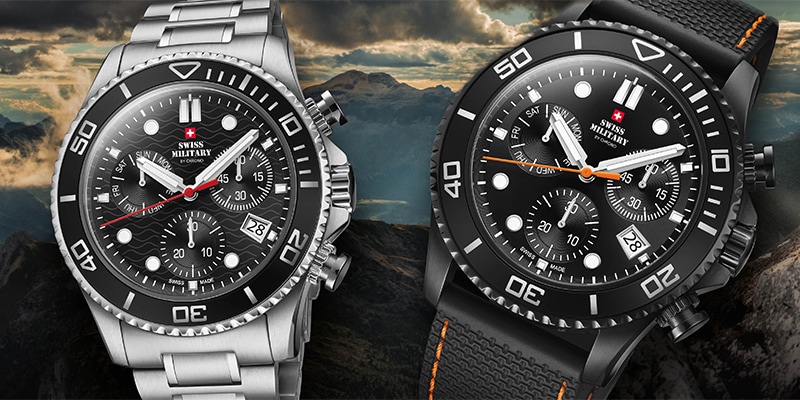
Swiss Chronograph Watches
Swiss chronograph watches are more than just timekeeping devices—they are masterpieces of engineering, design, and tradition. For centuries, Switzerland has been the heart of luxury watchmaking, producing models that blend elegance with functionality. Among these, the chronograph stands out as a symbol of precision, innovation, and versatility.
What Makes a Chronograph Watch Unique?
Unlike standard watches, a chronograph features multiple functions, often including a stopwatch, tachymeter, or split-second timer. This makes it not just a tool for telling time, but also a precision instrument for racing, aviation, diving, and everyday use.
The Swiss Legacy in Watchmaking
Switzerland has been synonymous with fine watchmaking since the 16th century. Swiss watchmakers revolutionized horology by setting new standards of craftsmanship, accuracy, and luxury. The Swiss chronograph embodies this legacy, offering a perfect balance between form and function.
The History of Swiss Chronograph Watches
Early Developments in Chronographs
The chronograph concept was first developed in the early 19th century. Nicolas Rieussec is credited with creating one of the earliest chronographs in 1821. Over time, Swiss watchmakers refined the design, introducing compact, wristwatch-based chronographs that became indispensable for pilots, racers, and explorers.
The Rise of Swiss Watchmaking Excellence
During the 20th century, Swiss watchmakers became global leaders in horology. Innovations like the automatic chronograph movement in the 1960s put Swiss brands ahead of their competitors. From military applications to luxury fashion, Swiss chronographs became icons of precision and prestige.
How Swiss Chronographs Became Global Icons
Celebrities, athletes, and world leaders began sporting Swiss chronographs, further cementing their reputation. Whether on James Bond’s wrist with an Omega Speedmaster or in Formula 1 races with TAG Heuer, Swiss chronographs became cultural symbols as much as technical marvels.
Features of Swiss Chronograph Watches
Precision Timekeeping
Swiss chronographs are celebrated for their accuracy. Many undergo COSC certification, ensuring chronometer-grade performance. Whether measuring fractions of a second or long-duration intervals, they deliver unmatched precision.
High-Quality Materials and Craftsmanship
From sapphire crystals and stainless steel to gold and titanium, Swiss chronographs are crafted from premium materials. Each watch is meticulously hand-assembled, ensuring durability and luxury.
Complications and Multiple Functions
Swiss chronographs often include additional complications such as moon phases, perpetual calendars, or tachymeters. These features enhance usability while showcasing horological mastery.
Iconic Swiss Movements (Quartz vs. Mechanical)
While quartz movements offer affordability and precision, mechanical chronographs remain the pinnacle of Swiss craftsmanship. Brands like Rolex and Omega continue to innovate with in-house automatic chronograph calibers.
Popular Swiss Chronograph Watch Brands
Rolex
Rolex is a name that needs no introduction in the luxury watch world. Its Daytona Chronograph is one of the most iconic timepieces ever created, originally designed for professional racing drivers. Known for its robustness, precision, and timeless design, the Rolex Daytona has become a grail watch for collectors.
TAG Heuer
TAG Heuer is synonymous with motorsports and chronograph technology. The Carrera and Monaco models are legendary, combining bold design with reliable performance. TAG Heuer chronographs are often more affordable than Rolex, making them an excellent entry point into Swiss luxury.
Omega
Omega’s chronographs, particularly the Speedmaster Professional, hold a special place in history as the “Moonwatch”—the first watch worn on the moon. The Speedmaster remains one of the most respected chronographs for its accuracy, durability, and heritage.
Breitling
Breitling has carved its reputation in aviation and aeronautics. The Navitimer, with its signature slide rule bezel, is a favorite among pilots and watch enthusiasts alike. Its intricate design and technical functions make it a standout in the chronograph category.
Longines
For those seeking tradition at a more accessible price point, Longines offers elegant chronographs with Swiss heritage. The Longines Master Collection features automatic chronographs that balance sophistication and affordability.
Why Choose a Swiss Chronograph Watch?
Luxury and Status Symbol
Owning a Swiss chronograph is often seen as a mark of success. These watches are not just instruments but symbols of refinement, taste, and achievement.
Durability and Longevity
Swiss chronographs are built to last for generations. With proper care and servicing, they can be passed down as family heirlooms, retaining both functionality and beauty.
Investment Value
Certain Swiss chronographs, like vintage Rolex Daytona models, appreciate significantly in value. Collectors often view these watches as not only timepieces but also valuable assets.
Swiss Chronograph Watch Styles
Dress Chronographs
Designed for elegance, dress chronographs feature sleek cases, leather straps, and understated dials. Perfect for formal events, they pair seamlessly with suits and evening wear.
Sports Chronographs
Built for performance, sports chronographs often include tachymeters, water resistance, and bold designs. These are favored by athletes and racing enthusiasts.
Aviation and Racing Chronographs
With features like flight calculators and split-second timing, aviation and racing chronographs are specialized tools. Brands like Breitling and TAG Heuer excel in these categories.
Buying Guide: How to Choose the Right Swiss Chronograph
Understanding Movements
Decide between quartz, mechanical, or automatic chronographs. Quartz is highly accurate and affordable, while mechanical movements offer artistry and prestige.
Case Materials and Design
From stainless steel and titanium to gold and ceramic, the case material influences both aesthetics and durability. Choose based on lifestyle and personal preference.
Strap and Bracelet Options
Swiss chronographs come with leather straps, metal bracelets, or rubber bands. Each option provides a different look and feel, catering to casual, sporty, or formal styles.
Price Range and Budget Considerations
Swiss chronographs can range from a few thousand dollars to over six figures. Consider your budget, but also think of it as a long-term investment.
Caring for Your Swiss Chronograph Watch
Cleaning and Maintenance
Regularly wipe down the case and bracelet with a soft cloth to prevent dirt buildup. Use a damp cloth for straps when necessary.
Servicing Intervals
Mechanical Swiss chronographs typically require servicing every 3–5 years to maintain peak performance. Certified service centers ensure the authenticity of parts and skilled craftsmanship.
Storage Tips
Store your watch in a dry, cool environment, preferably in a watch box or safe. For automatic chronographs, a watch winder helps maintain accuracy when not in use.
Authenticity and Avoiding Counterfeits
How to Verify a Genuine Swiss Chronograph
Check for hallmarks such as the serial number, official documentation, and brand-specific engraving. Purchasing from authorized dealers ensures authenticity.
Red Flags of Fake Watches
If the price is too good to be true, it usually is. Poor finishing, lightweight cases, and incorrect logos are common signs of counterfeits. Always research sellers before making a purchase.
Frequently Asked Questions (FAQs)
What is the difference between a chronograph and a chronometer?
A chronograph is a watch with stopwatch functions, while a chronometer is a watch certified for superior accuracy by the COSC. Some Swiss watches can be both.
Are Swiss chronograph watches waterproof?
Many Swiss chronographs offer water resistance, but the degree varies by model. Always check specifications before swimming or diving.
How often should I service my Swiss watch?
Most brands recommend servicing mechanical watches every 3–5 years to ensure optimal performance and longevity.
Do Swiss chronograph watches hold their value?
Yes. While not all models appreciate, iconic chronographs from Rolex, Omega, and TAG Heuer often increase in value over time.
Which Swiss chronograph brand is best for beginners?
TAG Heuer and Longines are excellent entry points, offering Swiss precision and style at more accessible price points.
Can I wear a Swiss chronograph daily?
Absolutely. Many Swiss chronographs are built for everyday wear, though luxury models may require extra care.
Conclusion: The Timeless Appeal of Swiss Chronograph Watches
Swiss chronograph watches are more than accessories—they are statements of heritage, craftsmanship, and precision. Whether you’re a collector, a professional, or simply someone who appreciates fine horology, a Swiss chronograph offers unparalleled value. From the racetrack to the boardroom, these watches remain timeless companions that embody both function and luxury.
For more insights into luxury timepieces, you can explore resources from the Federation of the Swiss Watch Industry