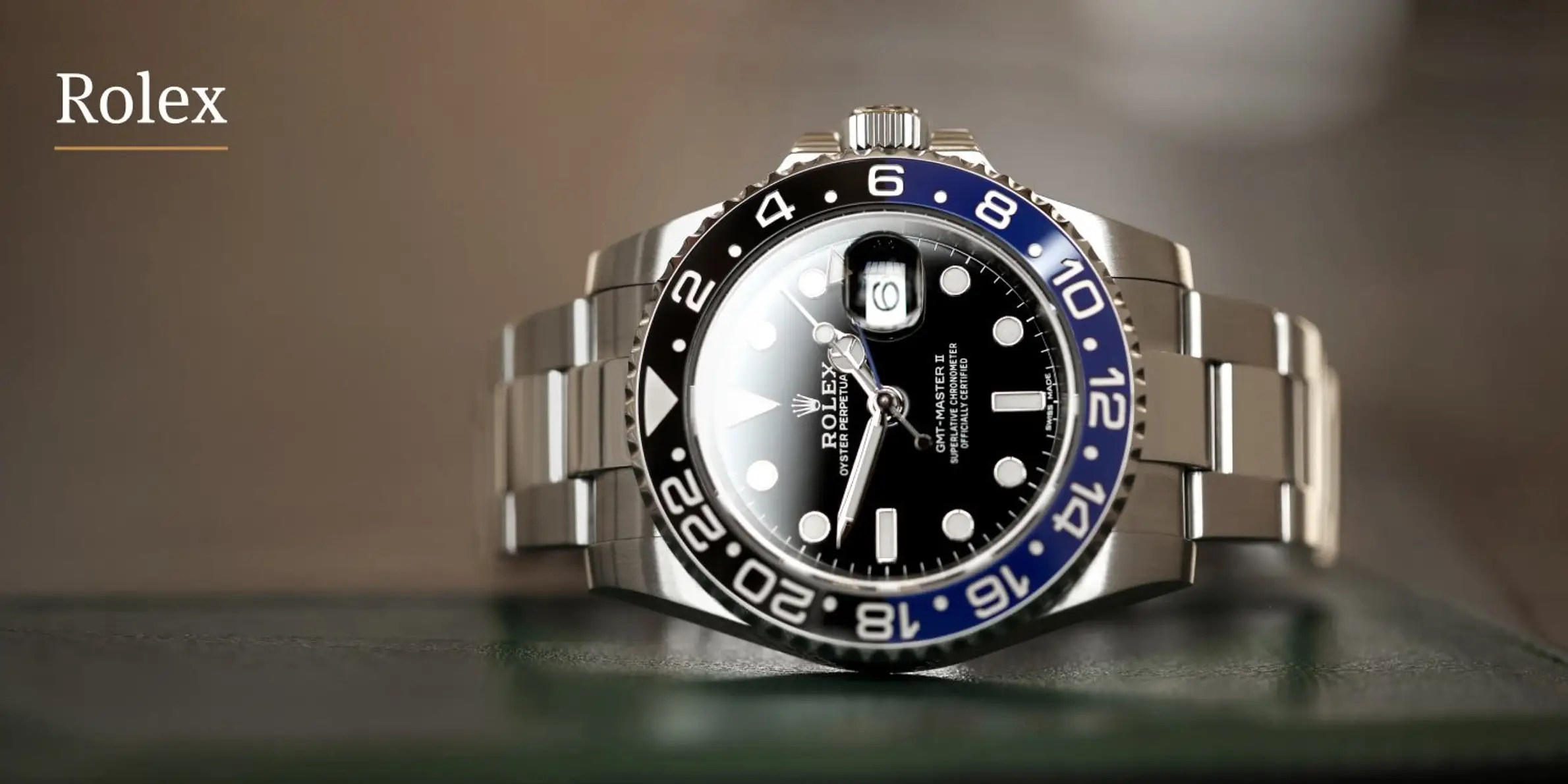
When exploring the world of fine horology, buyers often face a classic dilemma: Swiss Automatic Watches vs Swiss Mechanical Watches. Both are rooted in traditional Swiss craftsmanship and mechanical excellence, yet they differ in operation, convenience, and lifestyle suitability. Understanding these differences can help you choose the watch that best aligns with your preferences and daily routine.
Understanding Swiss Mechanical Watches
Swiss Mechanical Watches are powered entirely by a manually wound movement. This means the wearer must turn the crown regularly—usually once every one or two days—to keep the watch running. For watch enthusiasts, this ritual is part of the charm. It creates a direct, tactile connection between the wearer and the timepiece.
Mechanical watches are celebrated for their simplicity and purity. With fewer components than automatic movements, they often showcase classic watchmaking traditions and beautifully finished calibers. Many collectors value Swiss mechanical watches for their historical authenticity, thinner cases, and the emotional satisfaction of hand-winding a finely crafted movement.
What Makes Swiss Automatic Watches Different?
Swiss Automatic Watches are also mechanical but include an added feature: a rotor that winds the mainspring automatically using the natural motion of the wearer’s wrist. This innovation eliminates the need for daily manual winding, making automatic watches highly convenient for modern lifestyles.
Automatic watches are ideal for those who wear their timepiece regularly. As long as the watch is worn consistently, it remains powered and accurate. This balance between traditional mechanics and everyday practicality has made Swiss automatic watches the most popular choice in today’s luxury watch market.
Craftsmanship and Precision
Both Swiss Automatic Watches and Swiss Mechanical Watches are built with exceptional precision. Swiss movements are renowned for tight tolerances, durability, and long-term reliability. Brands such as Rolex, Omega, and Tissot offer outstanding examples of both automatic and manual mechanical watches, each reflecting meticulous finishing and engineering excellence.
In terms of accuracy, neither type is inherently superior. Proper servicing and movement quality matter more than whether the watch is automatic or manually wound.
Lifestyle and Convenience
Your lifestyle plays a crucial role in choosing between the two. If you enjoy daily interaction with your watch and appreciate traditional watchmaking rituals, Swiss mechanical watches offer unmatched emotional value. On the other hand, if you prefer ease of use and minimal maintenance in daily wear, Swiss automatic watches provide greater convenience without sacrificing craftsmanship.
Investment and Collectability
From a collector’s perspective, both types hold strong value. Vintage and limited-edition Swiss mechanical watches are often prized for their historical significance, while automatic models tend to appeal to a broader market due to their practicality. Well-maintained Swiss watches—automatic or mechanical—can last for generations and retain excellent resale value.
Conclusion: Which Should You Choose?
There is no universal winner in the debate between Swiss Automatic Watches and Swiss Mechanical Watches. The right choice depends on your personal taste, lifestyle, and appreciation for watchmaking traditions. If convenience and daily wearability matter most, go automatic. If heritage, craftsmanship, and hands-on engagement appeal to you, a mechanical watch may be the perfect fit.
Either way, choosing a Swiss-made timepiece ensures timeless quality, precision, and enduring elegance.