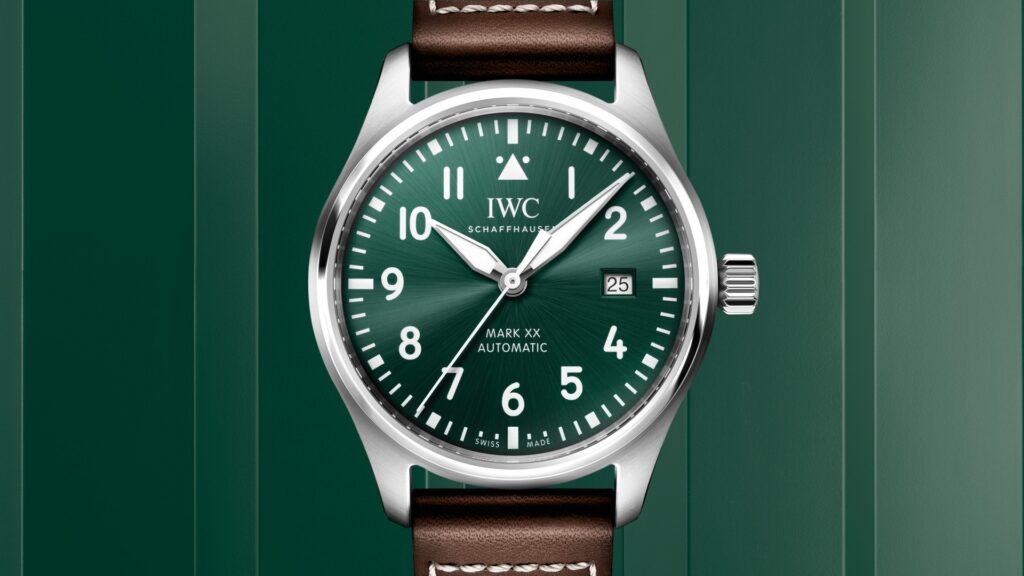
Precision on the Wrist: The Art of Swiss Movement Watches
The term “Swiss Made” is a powerful one in the world of horology, a hallmark that signifies a commitment to excellence and a rich heritage of watchmaking.1 While the aesthetic appeal of a Swiss watch is undeniable, its true heart lies within the movement—the intricate engine that powers its functions.2 The reputation for reliability and accuracy that Swiss timepieces enjoy is a direct result of the meticulous engineering that goes into creating every precision Swiss movement watches.3
At the core of this reputation are centuries of tradition and a culture of innovation.4 From the early days of crafting pocket watches in the Jura Mountains, Swiss watchmakers have consistently pushed the boundaries of what is possible in a small mechanical device. The development of the escapement and the balance wheel were pivotal moments, providing the foundation for the remarkable accuracy we now take for granted. Today, this legacy is preserved through rigorous standards and the use of cutting-edge technology, ensuring that every movement is a masterpiece of micro-engineering.5
There are two primary types of precision Swiss movement watches: mechanical and quartz.6 Mechanical movements are the traditional soul of Swiss watchmaking, composed of hundreds of tiny, interconnected parts like springs, gears, and jewels.7 They are powered by the unwinding of a mainspring, which can be wound manually or automatically through the motion of the wearer’s wrist.8 The accuracy of a mechanical movement is a testament to the watchmaker’s skill, with high-end models often certified as chronometers to guarantee their performance within a very narrow range of error. For many enthusiasts, the beauty of a mechanical movement is its “living” nature, the smooth sweep of the second hand and the visible dance of its components through a transparent caseback.9
On the other hand, Swiss quartz movements offer a different kind of precision. Introduced to the world in the 1970s, quartz technology uses a battery to send an electrical current through a tiny quartz crystal, causing it to vibrate at an incredibly high and stable frequency.10 This vibration is counted by an integrated circuit, which then translates it into a single, precise pulse every second to drive the watch’s hands. While it may lack the intricate spectacle of a mechanical movement, a quartz watch is far more accurate and requires minimal maintenance.11 For brands like Tissot and Victorinox, high-quality Swiss quartz movements provide a pathway for consumers to own a piece of Swiss quality at a more accessible price point.
Whether it is the artisanal beauty of a mechanical caliber or the flawless accuracy of a quartz one, precision Swiss movement watches are a testament to an enduring tradition. They are more than just instruments for telling time; they are symbols of excellence, crafted to last for generations.12