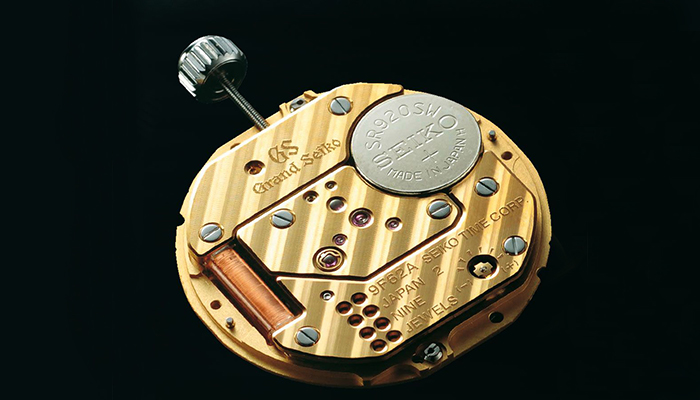
Choosing between Swiss mechanical wristwatches and Swiss quartz watches is one of the most common dilemmas for watch buyers. Both movements are proudly Swiss-made, highly reliable, and respected worldwide—but they serve different lifestyles, preferences, and values. Understanding how each movement works and what it offers will help you select the watch that truly fits your needs.
Understanding Swiss Mechanical Wristwatches
Swiss mechanical wristwatches are powered by intricate systems of springs, gears, and levers—without any battery. Energy is stored in a mainspring and released gradually through the movement, regulated by an escapement and balance wheel. Mechanical watches can be either manual (hand-wound) or automatic (self-winding).
What sets mechanical watches apart is craftsmanship. Many components are hand-finished, polished, and assembled by skilled watchmakers. Enthusiasts value these watches for their heritage, artistry, and emotional connection. Mechanical Swiss watches are often chosen by collectors and those who appreciate tradition and engineering excellence.
Brands such as Rolex and Patek Philippe are globally admired for their exceptional Swiss mechanical movements and long-term reliability.
Understanding Swiss Quartz Watches
Swiss quartz watches operate using a battery-powered movement regulated by a quartz crystal. When electricity passes through the crystal, it vibrates at a precise frequency, ensuring outstanding accuracy. Quartz watches typically lose or gain only a few seconds per month, far surpassing mechanical accuracy.
Swiss quartz movements are manufactured under strict quality standards, offering superior durability, temperature stability, and long battery life. These watches are ideal for those who want convenience, minimal maintenance, and reliable timekeeping without daily winding or frequent servicing.
Brands like Omega and Longines have produced high-quality Swiss quartz watches that combine precision with elegant design.
Accuracy vs Craftsmanship
When it comes to pure accuracy, Swiss quartz watches clearly win. They are less affected by movement, gravity, or environmental factors. However, Swiss mechanical wristwatches excel in craftsmanship, heritage, and emotional value. The choice often comes down to whether you prioritize technical precision or mechanical artistry.
Maintenance and Longevity
Mechanical watches require regular servicing—typically every 4 to 6 years—to maintain optimal performance. Quartz watches need far less maintenance, usually only battery replacement every few years. That said, a well-maintained Swiss mechanical watch can last generations and even become an heirloom.
Lifestyle Considerations
-
Choose Swiss mechanical wristwatches if you value tradition, craftsmanship, and long-term collectability.
-
Choose Swiss quartz watches if you prefer accuracy, convenience, and everyday reliability.
Many watch enthusiasts eventually own both, appreciating each for different occasions and purposes.
There is no universally “better” choice between Swiss mechanical wristwatches and Swiss quartz watches—only what suits you best. Mechanical watches celebrate the art of watchmaking, while quartz watches deliver unmatched precision and ease of use. By aligning your choice with your lifestyle, values, and expectations, you’ll find a Swiss watch that not only keeps perfect time but also brings lasting satisfaction.