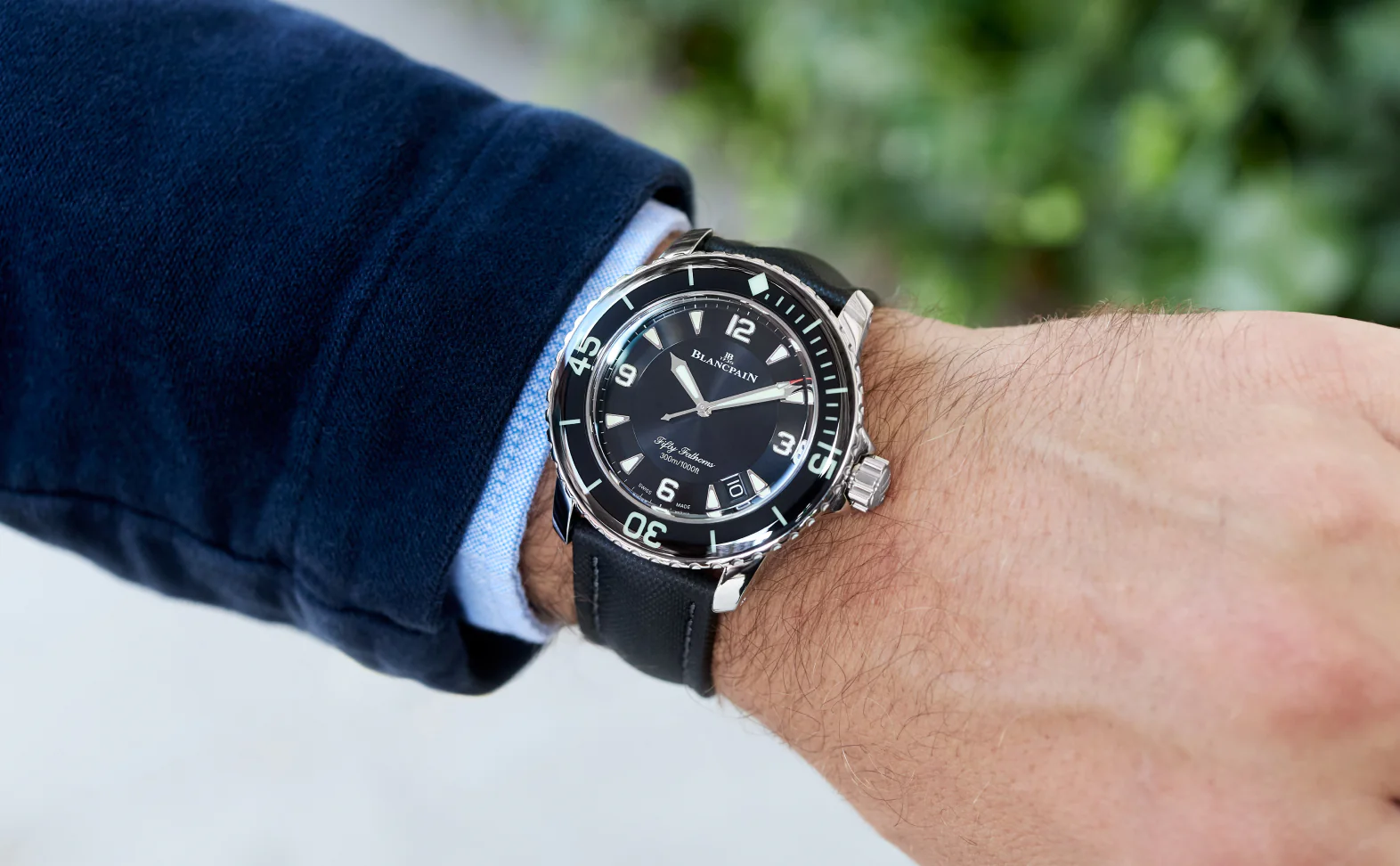
In the world of timekeeping, no single category embodies the soul of horology quite like Swiss mechanical wristwatches. While modern technology has introduced highly accurate quartz movements, the allure of a mechanical watch remains deeply rooted in tradition, craftsmanship, and the pure genius of micro-engineering. These watches are not just instruments for telling time; they are miniature, kinetic sculptures that carry the weight of centuries of Swiss watchmaking excellence.
The heart of any mechanical watch is its movement, a complex assembly of hundreds of tiny parts—gears, springs, jewels, and levers—working in perfect harmony.1 Unlike a battery-powered watch, a mechanical timepiece is driven by the energy stored in a mainspring, which is wound either manually by the wearer or automatically by the natural motion of the wrist.2 This energy is then released in a controlled manner by the escapement, creating the rhythmic “tick-tock” that is so characteristic of these timepieces.3 For many, this rhythmic beat is the sound of a living machine, a stark contrast to the sterile, one-second jump of a quartz watch.
The “Swiss Made” label on a mechanical watch is not merely a marketing term; it’s a promise of quality governed by strict legal standards.4 For a watch to be considered “Swiss Made,” a significant portion of its production, including the assembly and final inspection, must be conducted in Switzerland.5 This ensures that the watch benefits from the unparalleled skill of Swiss artisans, who meticulously assemble and finish each component, often by hand.6 This painstaking attention to detail is what allows Swiss mechanical wristwatches to achieve an impressive level of precision and longevity.7
Owning a mechanical watch is a unique experience. The smooth, sweeping motion of the second hand is a hallmark of a mechanical caliber, a fluid dance of gears that is a pleasure to watch, especially through a sapphire caseback.8 Brands like Rolex, Omega, and Patek Philippe have perfected their own in-house movements, while others, like Tudor and Oris, utilize modified movements from renowned Swiss manufacturers like ETA and Sellita. This allows for a wide range of price points, making the world of Swiss mechanical wristwatches accessible to a broad audience, from budding collectors to seasoned connoisseurs.
In an age of digital devices and disposable technology, the mechanical wristwatch stands as a beautiful anachronism. It is a tangible link to a rich history and a testament to the enduring value of human skill and artistry. Whether it’s a rugged diver, a sophisticated dress watch, or a complicated chronograph, a Swiss mechanical wristwatch is an heirloom in the making, a piece of engineering that can be cherished and passed down through generations.